My Passion for Classics
From hobby to craft
It did not start with a plan.
I was fifteen when I restored my first car. I did not yet know then that I had found my profession.
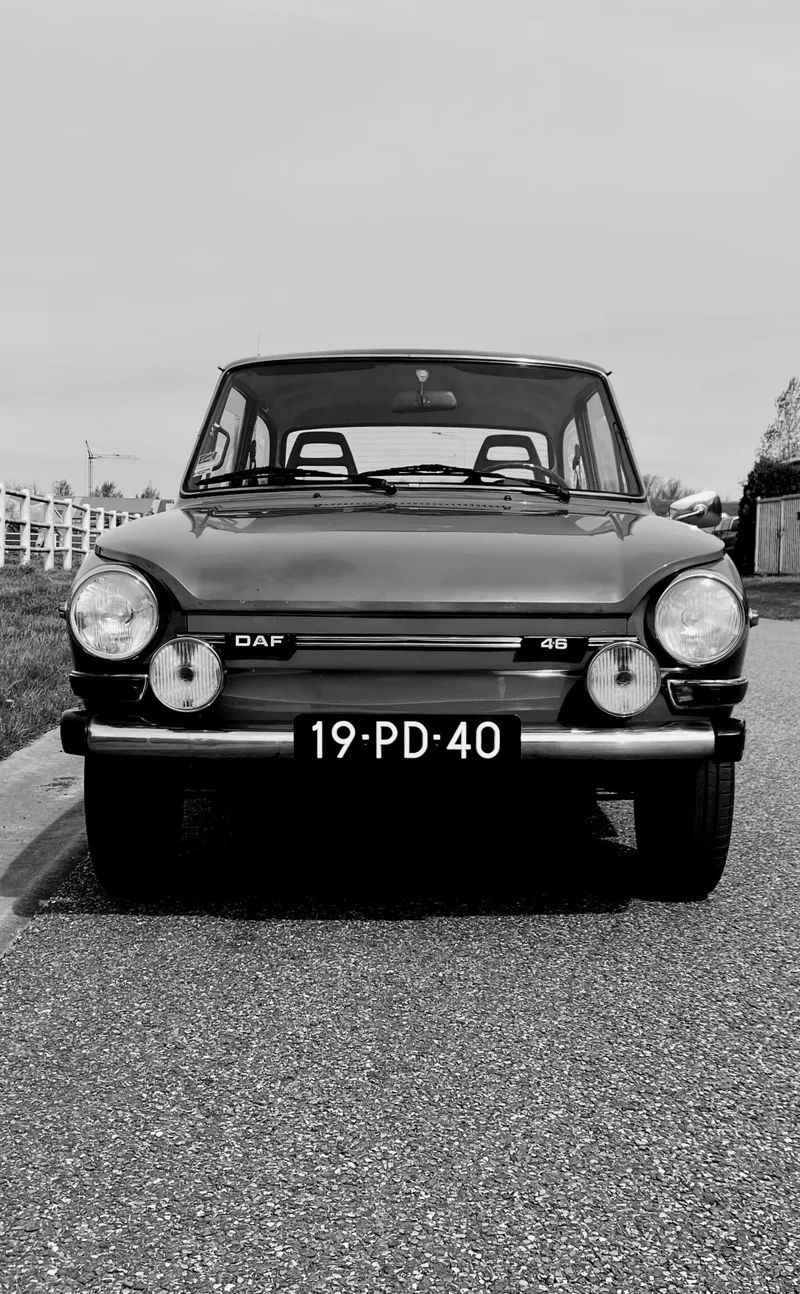
Not everyone finds that at school. I found it in a garage, in an abandoned project that nobody wanted any more: a DAF 46.
The DAF 46
I bought my first project together with my father: a DAF 46. An abandoned project from its previous owners. The bonnet had been removed under the pretext of "handy for all the engine work". What they did not mention: the left and right wings differed in height by 2.5 centimetres, so the bonnet did not even fit. A botched amateur job that had failed and been quietly sold on.
So I learned early on: not everything is what it seems.
That is how I ended up with Fred Oosterlaan — better known in the classic car world as 'the DAF Doctor'. He has an impressive address in Bleiswijk: a former tomato greenhouse housing no fewer than two hundred little DAFs.
In the midst of that collection I took my first serious steps in the trade. For the more complex engineering of the engine and the Variomatic, Fred taught me, among other things, how to adjust valves, and passed on the first tricks of the trade.
The feeling of coming home through the joy I found in craftsmanship was worth its weight in gold!
The 2CV
And the offer that changed everything
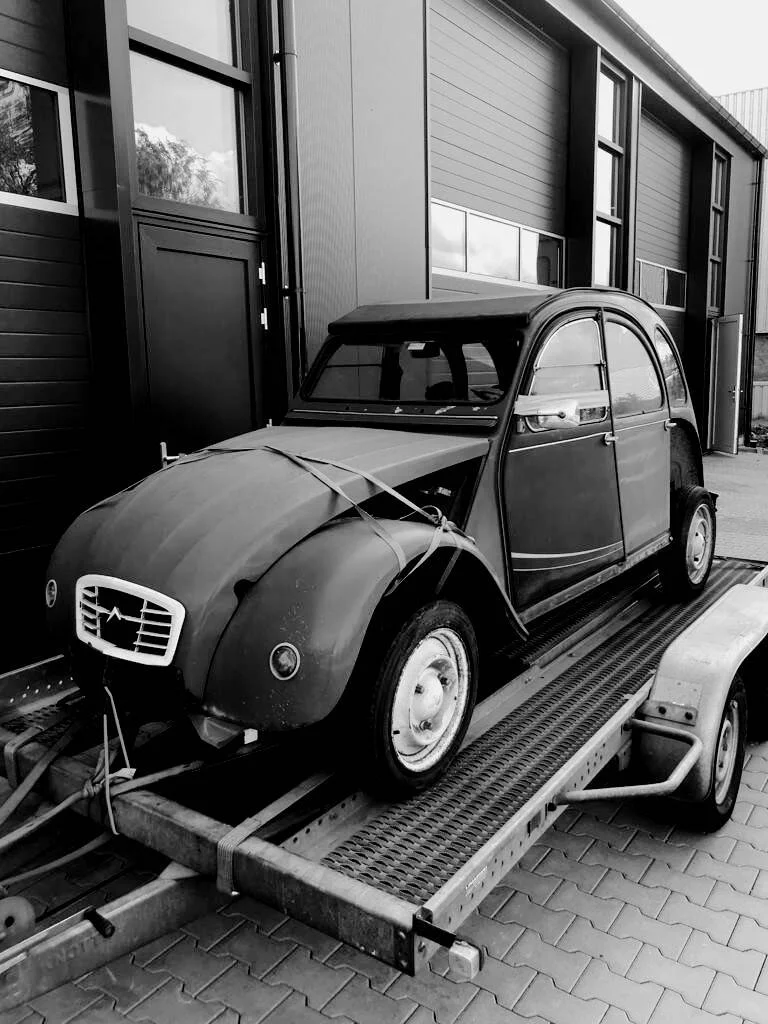
The DAF was finished, as far as one can say that, because there will always be maintenance. The DAF was running, had passed its roadworthiness test (APK) and was road-legal. Time for a new project: a Citroën 2CV6 — an 'ugly duckling'. A new project, a new dream.
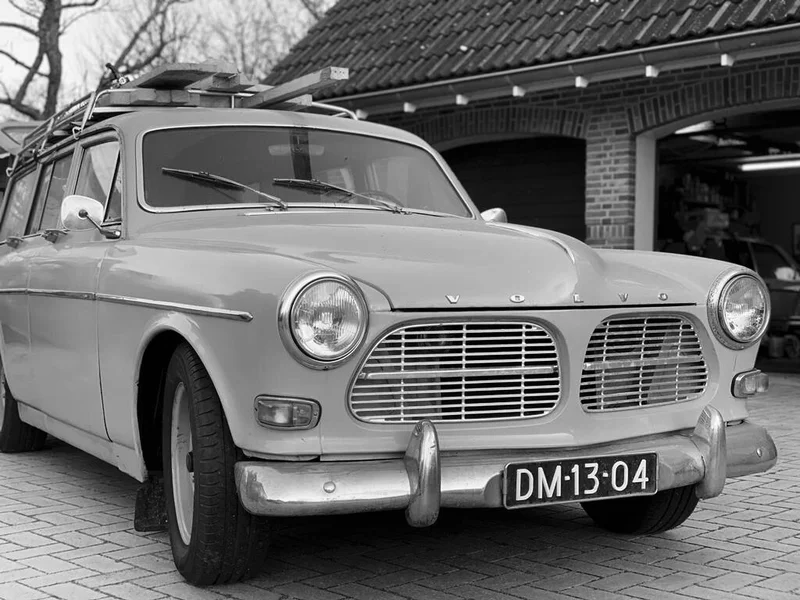
But barely a few weeks later, a Volvo Amazon estate came up for sale. Light blue, not original, but it suited the car perfectly. An irresistible offer.
(By the way, the 2CV is still here too. An eternal side project — every restorer has one. )
A dream car with a secret
The Amazon stood out immediately. Beautiful lines, a well-kept interior, mechanically in reasonable condition. At first glance it did not seem like a big project. A few rust spots here and there: “manageable” was still the thought at the time.
But restorations are rarely what they seem at first glance.
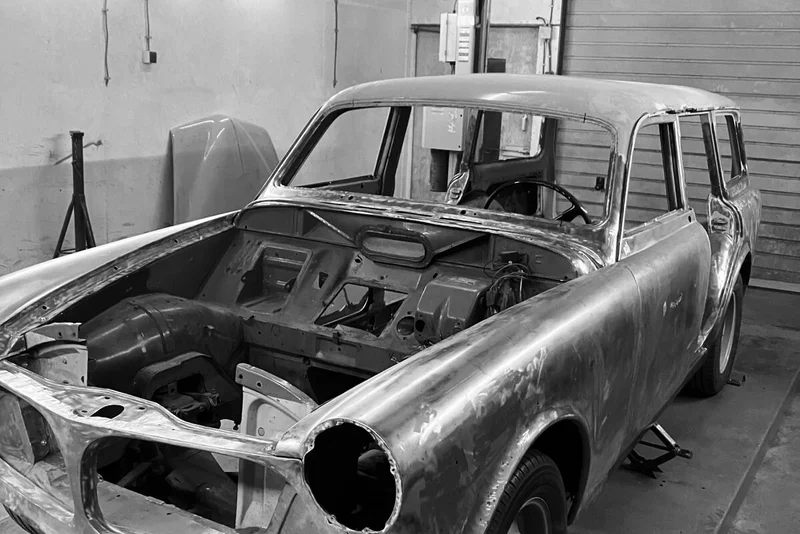
The roof turned out to be leaking because of a rotten drip rail. It soon became clear that replacing or repairing it is craftsmanship of the highest level. This part of the bodywork provides rigidity to a car and is made up of at least three separate body panels folded into one whole. The way those three panels are folded makes repair extremely complex.
No beginner's job. No quick fix.
In search of a welder
The search for a welder turned out to be the start of a valuable learning journey. In Groningen I came into contact with Harmannes, a true craftsman and a mechanic through and through. With his extensive knowledge of classic Volvos and his direct, honest approach, he understood my eagerness to learn perfectly. An inspiring collaboration developed in which he taught me the tricks of the technical trade.
When it came to the specific panel and welding work, Harmannes referred me to AllClassics. There I continued my learning journey under the wing of Johann, a craftsman who learned the trade with nothing more than a hammer, chisels and a dolly.
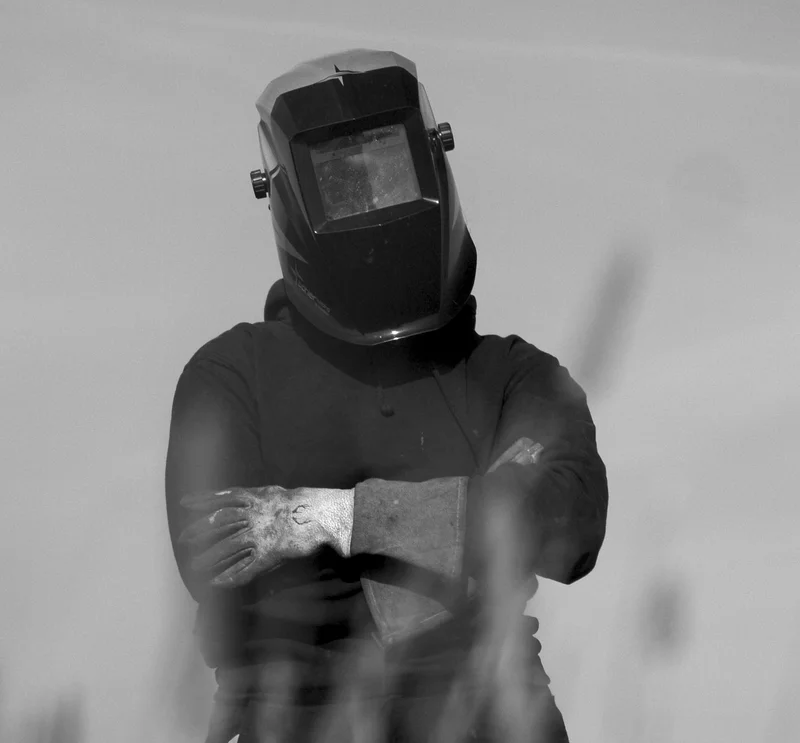
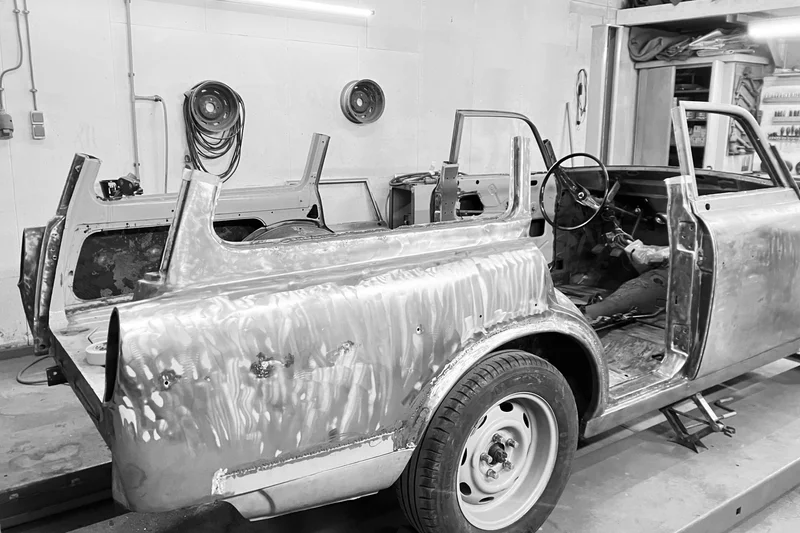
Through Egbert of Oebeles Zweedse Klassiekers, we found a suitable donor Amazon with a straight, sound roof. Together with Johann, I transferred the complete roof of the Volvo in two days. On the second day he pressed the welder into my hands with the words: "Go on, give it a try, I can fix anything that goes wrong."
I picked it up and turned out to have a surprising amount of feel and aptitude for it. That was the decisive moment when someone truly saw potential in me. Under Johann's guidance, from that point on I immersed myself fully in the high-end restoration process.
A network of masters
Shortly afterwards came a next step at Oebeles Zweedse Klassiekers. A beautiful Volvo 245 with the familiar welding needed on the floor. I was very keen to watch and learn. When I told them about my experiences with Johann, he decided to trust me to take on the job myself. It was the first time I took an angle grinder to a car — an exciting but instructive moment. The time and explanation I was given were invaluable in becoming familiar with the car's steel.
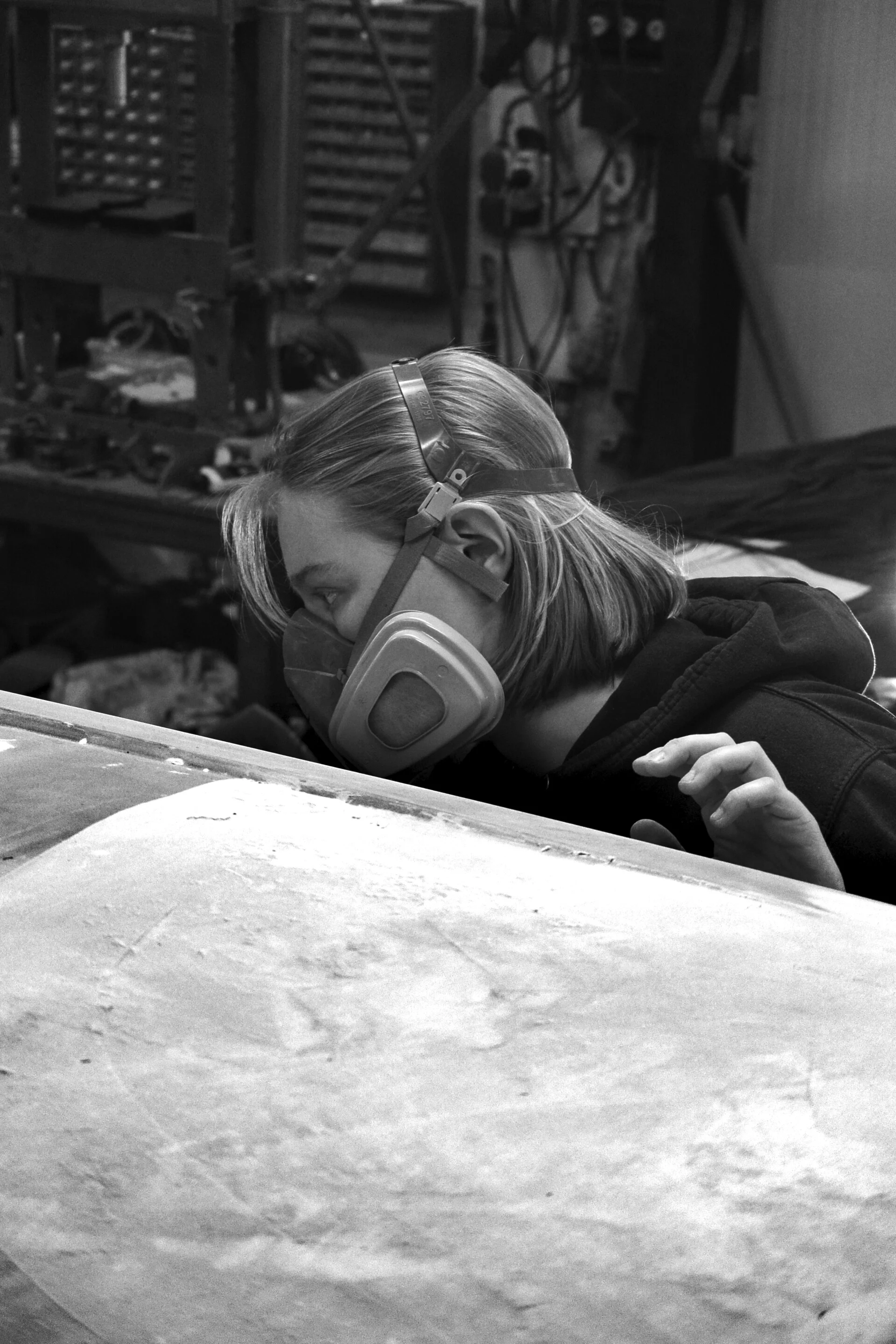
By then 18 years old, with my driving licence freshly in my pocket, I was offered regular days to come and work in the garage. I seized this with both hands. For a year I drove to them on fixed days. Under the experienced guidance of the bodywork specialist there, Leon's Onderhoud- & Herstelbedrijf, I learned to repair panel work to a smooth, high standard: skilfully, efficiently and with a keen eye for detail.
After six months I was encouraged to take the next step in my career. That was the moment I took the step into running my own business as a self-employed professional.
Back to the beginning and to the present
After six months as a self-employed professional, I returned to Westerbroek, to Johan and Johann. By then I had mastered the basic skills of the trade, but my ambition reached further. I did not want simply to repair; I wanted to restore at the highest level.
At AllClassics I was given the opportunity to immerse myself fully in the finer points of restoration work. Restoring here meant looking beyond the obvious. Understanding why a car was once constructed in a certain way, finding out what caused the problem and restoring the vehicle to its former glory — often even better and more durable than when it once left the factory.
Among other things, I mastered lead loading, a traditional and almost forgotten technique in which molten solder is used to smooth body panels and protect them optimally against rust. I also learned the fundamentals of prep work and painting down to the finest detail. These are techniques you do not learn from a book, but which are passed down from generation to generation by seasoned craftspeople. With great patience and passion, they passed their many years of experience on to me.
In the year I worked for them as a fully fledged restorer specialising in metalwork, not only did my technical craftsmanship grow, but so did my self-confidence and my vision of the craft.
Rebuilding: a new skill
An experienced craftsman was looking for an apprentice through the Volvo Klassieker Vereniging (the Dutch classic Volvo club); for years he had rebuilt Volvo gearboxes for Nordicar and now wanted to pass on his knowledge to someone.
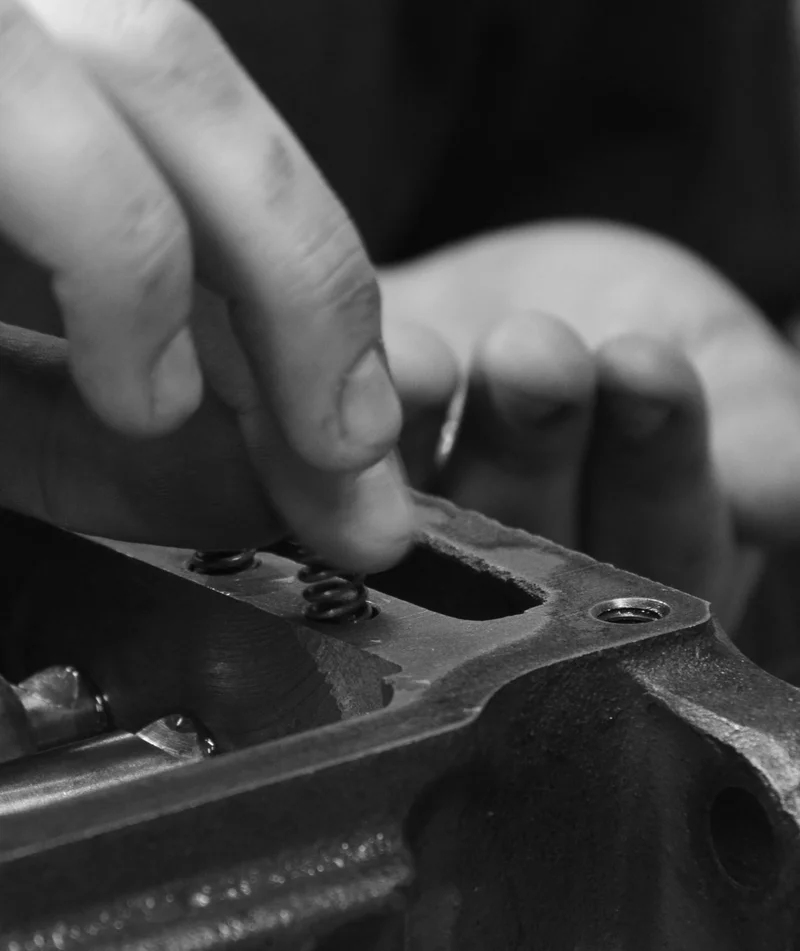
Step by step, with the precision this work demands, I learned from him the craftsmanship behind rebuilding the M41 gearbox. It did not stop at this one technique, however. Using his own Amazon and other projects, he also taught me the finer points of engine rebuilds, carburettors and overdrives. It was here that I began a serious study of rebuilding mechanical components — a study I still put into practice every day.
What I learned, and how I see it
My thanks go to all the people who crossed my path. They were not only my colleagues or clients; they were my mentors. People who take their trade seriously and were willing to pass their knowledge on to me.
Through all of this I learned not only to combine traditional craftsmanship with today's techniques, but also to think consciously about the right balance. For what is desirable: keeping everything original on principle, or modernising while preserving the unique character of the classic?
Restoring a classic car is not about achieving a result as quickly as possible. It is about understanding the logic behind the design. It calls for informed thinking, respect for the original craftsmanship and delivering quality, so as to cherish the car — and its history.
This story forms the foundation of everything I do. I work with complete dedication on every project.